
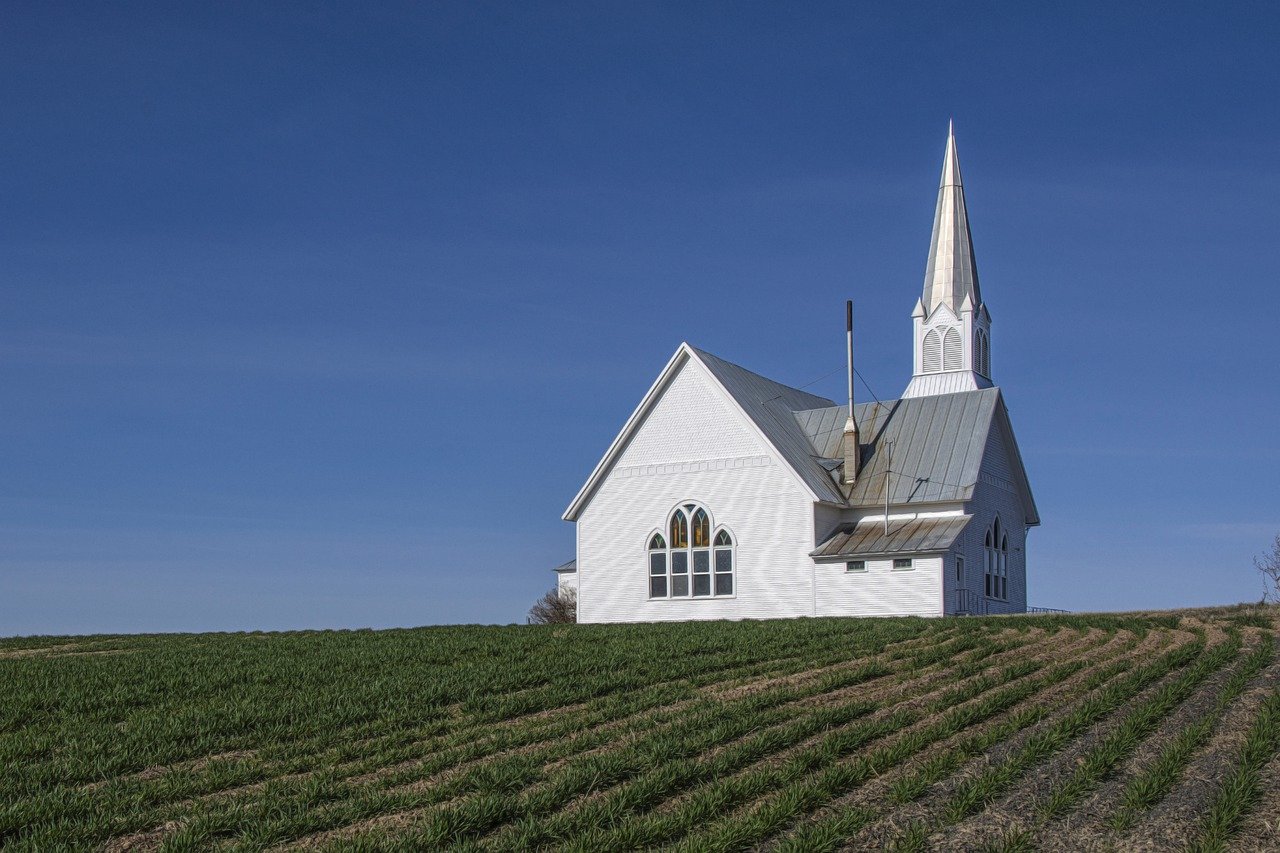
Emergency Roof Repairs for Churches: What to Do When Disaster Strikes
When disaster strikes, it typically comes without warning. For churches, a damaged roof can create an urgent situation that demands immediate attention. The hurricanes, hail storms, and high winds that regularly hit all states in the US can cause severe damage to church roofs. Emergency roof repairs for churches are a vital part of keeping congregations safe and secure. Unfortunately, in this scenario, people often focus on the damage to the structure itself and forget that the roof is an essential part of a building. A damaged roof can cause further problems, such as huge water damage, leaks, mold and mildew growth, and even various structural issues if left untreated. These are not just for the building itself but also for the community it serves.
Knowing how to act quickly and efficiently is key to safeguarding both your church and its congregation during these critical moments. Let’s explore what steps you should take when faced with emergency roof repairs so you can restore peace of mind as swiftly as possible.
Assess the Damage Immediately and Secure the Area
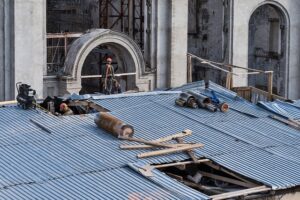 As soon as it’s safe, head up to the roof or inspect from a distance. You may be wondering if it’s time for a brand new roof. But you need to check various things first. Look for obvious signs of damage, such as missing shingles, leaks, or structural issues. Check for fallen branches or debris that may have caused harm. While assessing the damage, prioritize safety above all else. If conditions are hazardous, don’t take unnecessary risks. Instead, focus on securing the area around your church to protect visitors and congregants from potential hazards.
Cover Exposed Areas
When disaster strikes and your church roof sustains damage, exposed areas can become a major concern. Water intrusion can lead to further issues like mold or structural weakening. Acting quickly is essential. Use tarps to cover any gaps in the roofing material. This temporary solution will help prevent rainwater from seeping inside while you wait for professional repairs. Ensure that the tarps are securely fastened to avoid them blowing away in strong winds. If possible, place buckets or containers under leaks to catch dripping water. This minimizes interior damage and protects valuable items within the church.
Contact a Professional Roofing Contractor
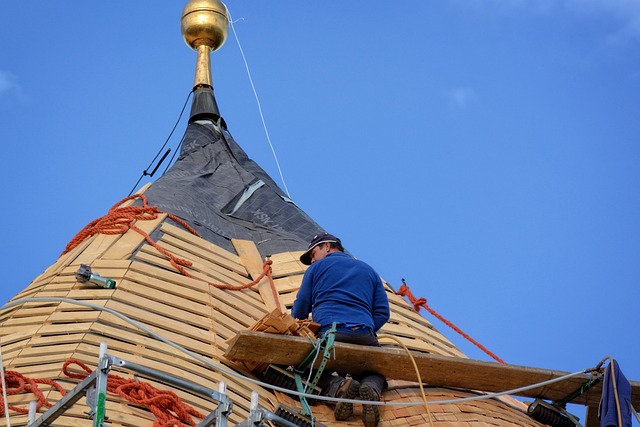
When disaster strikes, quick action is essential. A professional roofing contractor can run an expert investigation of the situation. They know what to look for and how to identify potential hazards. Choosing a skilled contractor ensures that repairs are done safely and efficiently. So, be sure to look for someone licensed and insured, as this protects both your church and the workers involved. Moreover, you need to ask about their experience with emergencies similar to yours. A reputable contractor will provide references from previous clients and be transparent about their process.
Document the Damage for Insurance Claims
When disaster strikes, documenting the damage is crucial. Start by taking clear photographs of the affected areas. Capture different angles to provide a comprehensive view. Make notes about what you see. Include details like the size of holes or visible leaks. This information will help your insurance adjuster understand the extent of the damage. Gather any relevant documents as well. Previous inspection reports or maintenance records can strengthen your claim. All this evidence plays a vital role in ensuring your church receives fair compensation for repairs needed after an emergency situation. Churches can be a place of refuge and safety for many people, but when disaster strikes, even the most sacred buildings are not immune. If your church is facing a roofing emergency, this step-by-step guide will be your best friend to ensure everyone’s safety and minimize damage to your property. Always prioritize safety first and seek professional help as soon as possible.…
Emergency Roof Repairs for Churches: What to Do When Disaster Strikes Read More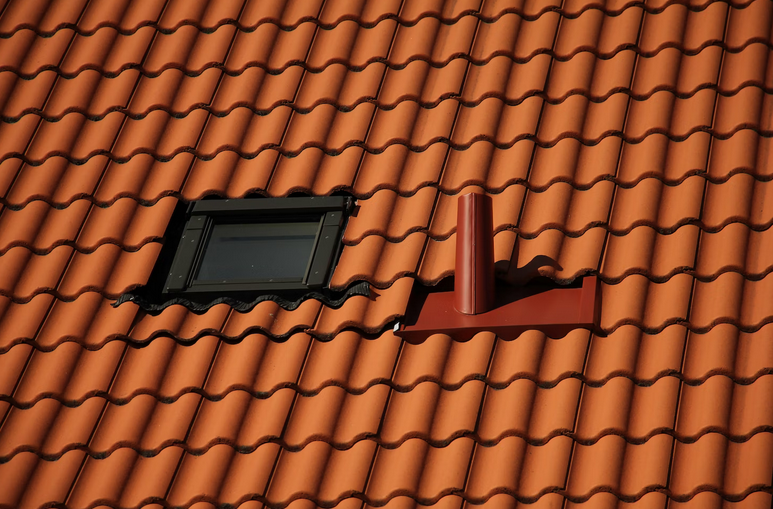

 Your budget plays a significant role in choosing the right roofing material. While some materials may have a lower initial cost, they may require more frequent repairs and replacements, potentially making them more expensive in the long run. Consider both upfront costs and long-term maintenance expenses.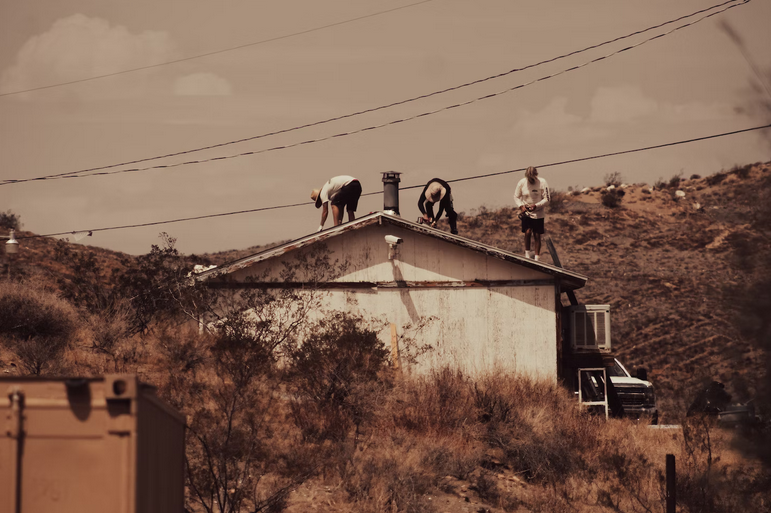
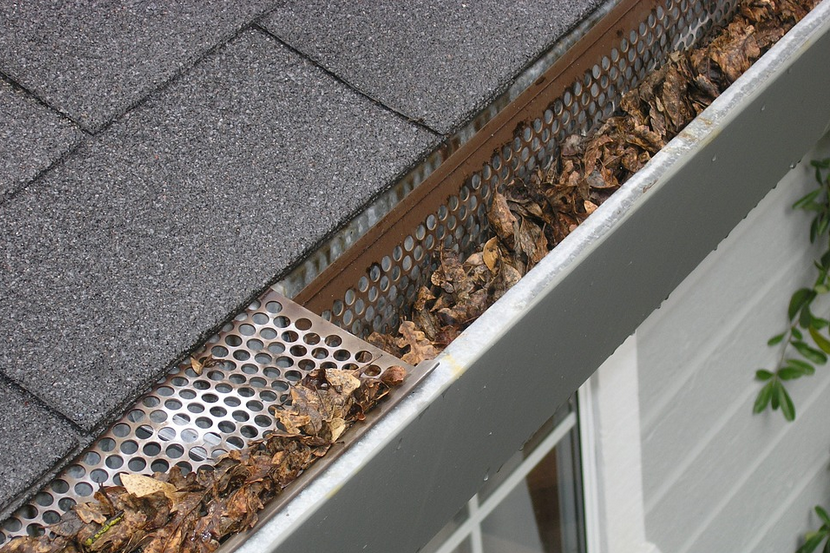

 Don’t forget to clean your gutters because clogged gutters can cause water drainage and other problems. They can cause damage to your roof, ruin the look of your home, or even seep into your foundation. You may also find that your gutters are clogged with leaves, debris, and sand, which can cause damage to your roof and ice dams. There may also be mosquitoes or bed bugs. During
 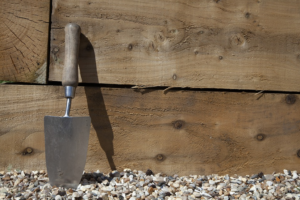 If you want to clean your gutters yourself, you’ll need the right equipment. You will need a trowel to remove leaves, moss, and other trash and debris. You’ll also need a bucket to haul everything away. To reach the gutters, you will also need a ladder. Make sure that the ladder is placed well on the ground. It is possible to fall from above, so get a safety harness that you can attach to the roof to clean the gutters. Wear gloves when cleaning to avoid allergic reactions or infections.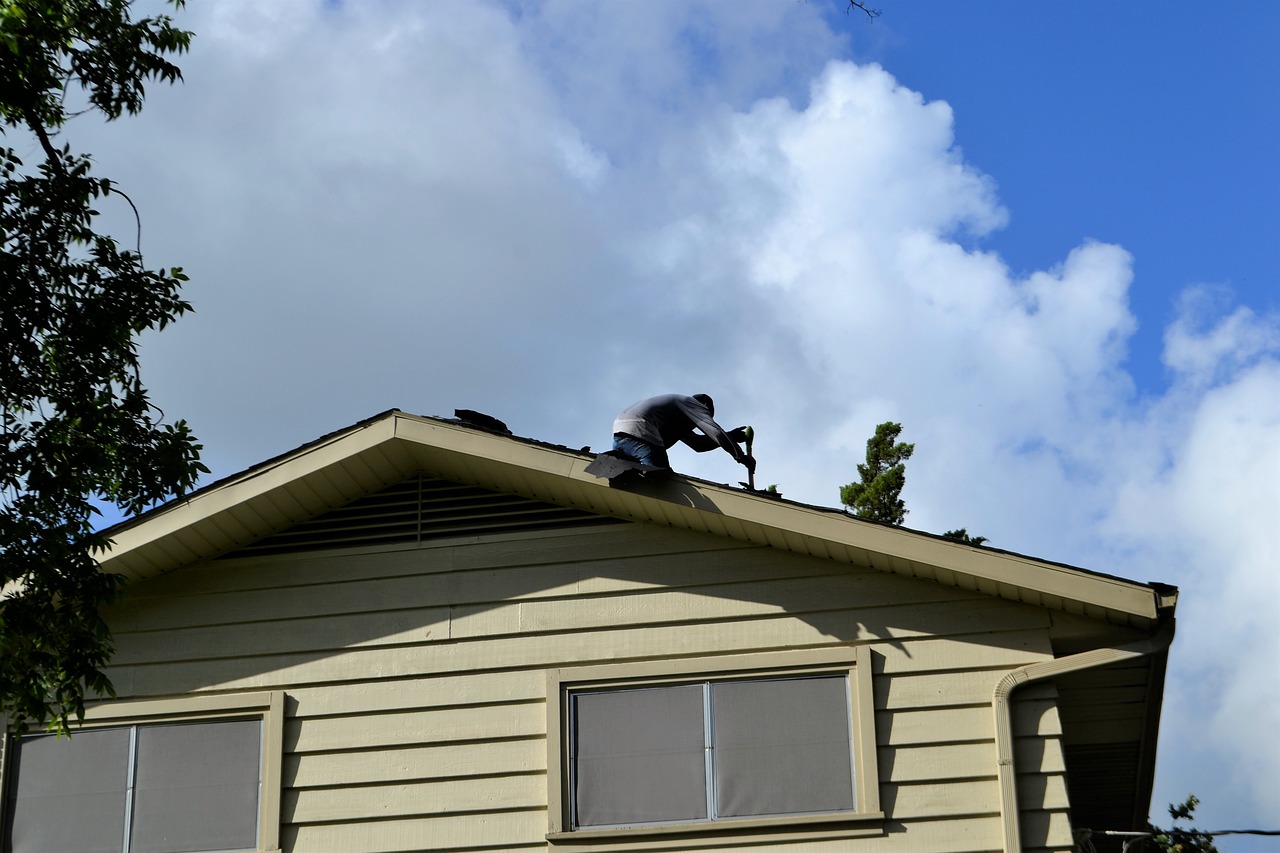
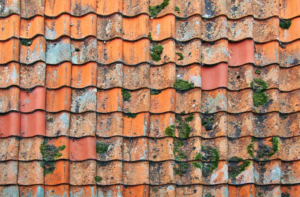 Begin Looking for detached or missing tiles. Give careful consideration to the two sides of this material, having the most immediate daylight. Investigate the brickwork to get
  Scrub your roof using a gardening hose, carrying appropriate care to do this in the top down. Leading up water on to the roof from the floor will lead to water getting in between the tiles. If a simple hosing down will not receive the roof completely clean, consider using a brush using a very long pole to wash the tiles thoroughly. If you’re missing asphalt shingles, it is possible to execute the task to change them yourself readily. Otherwise, have an expert swap them as swiftly as possible before a flow occurs. Remember, just a tiny roof maintenance prevention can go a very long way to maintaining your roof fit and conserving your hard-earned cash.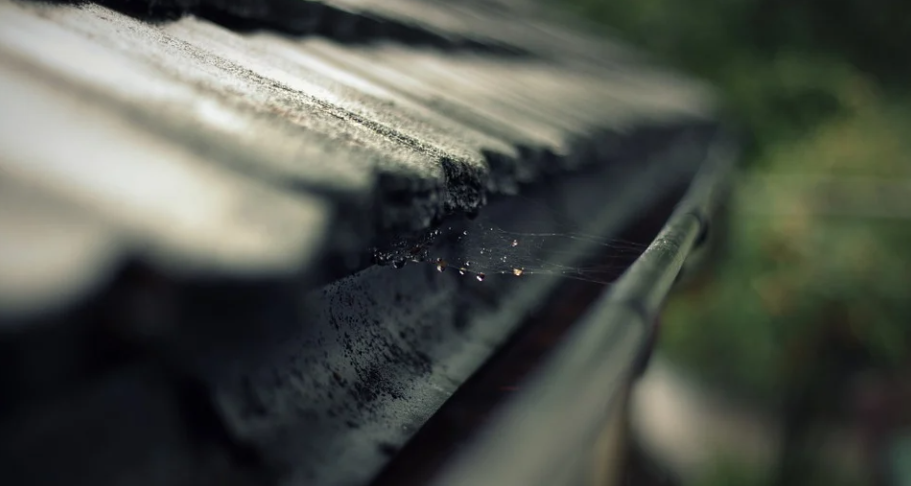

 You can do the installation yourself, especially if you know how to do it. If your understanding is limited, you cannot take any risks to continue your self-installation. Otherwise, the troubles you encounter can cost you more than hiring a professional to do a proper installation. As you will have followed, some tools are essential for roof installation, and they understand which installation method is exceptional for each material. It is highly recommendable to seek the help of experienced local roof makeover and restoration of your roof installation.