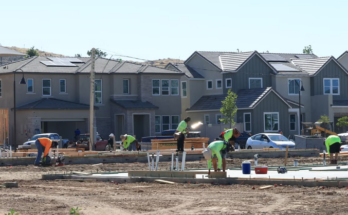
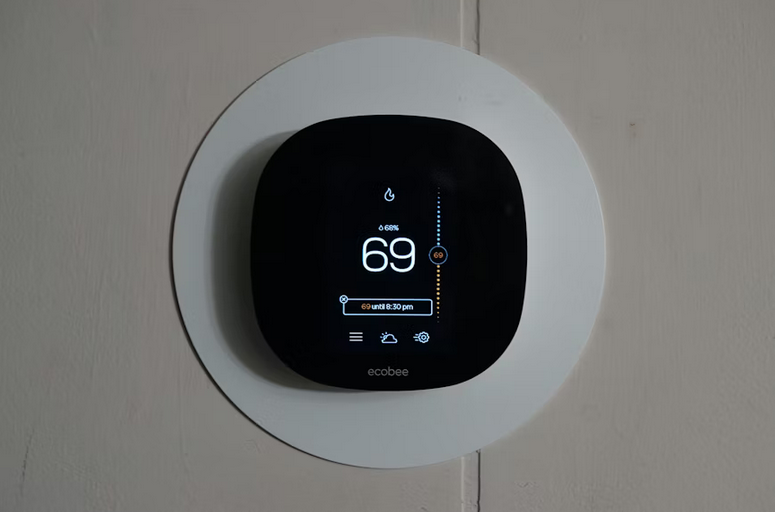
Climate patterns are shifting. Heatwaves last longer. Cold snaps arrive unexpectedly. Storm intensity increases in many regions. As these changes unfold, homeowners are questioning how well their properties can cope, often consulting builders and even an electrician to assess system readiness. Energy efficiency standards, particularly 7-star ratings, are often discussed in terms of comfort and savings. Yet their performance during extreme weather events deserves equal attention. A 7-star home is designed with strong thermal performance, improved insulation, quality glazing, and airtight construction. These features do more than reduce energy bills. They influence resilience during temperature extremes and severe weather conditions.
Thermal Stability During Heatwaves
Heatwaves test any home’s ability to maintain internal comfort. In conventional houses with minimal insulation, indoor temperatures can rise quickly. Walls and roofs absorb heat. Air conditioning systems struggle to keep pace. A 7-star home behaves differently. High levels of insulation slow heat transfer. Proper orientation reduces direct solar gain during peak hours. Well-designed shading blocks harsh summer sun while allowing natural light. Airtight construction minimizes hot air infiltration. Windows with advanced glazing reduce radiant heat. Together, these features create thermal stability. Indoor temperatures increase more slowly and remain manageable for longer periods.
Performance in Severe Cold Conditions
Cold snaps present a different challenge. Heat escapes rapidly from poorly insulated homes. Heating systems run continuously. Energy demand rises sharply. In a 7-star home, insulation forms a protective barrier. Warm air remains inside. Reduced air leakage prevents drafts and uneven temperatures. Thermal mass elements can store daytime warmth and release it gradually. These factors reduce reliance on mechanical heating. During short-term power interruptions, internal temperatures decline more slowly compared to older structures. Occupants experience greater comfort even when external conditions are harsh. The improvement is not accidental. It results from detailed design and material selection aimed at minimizing heat loss.
Protection Against Storms and Wind
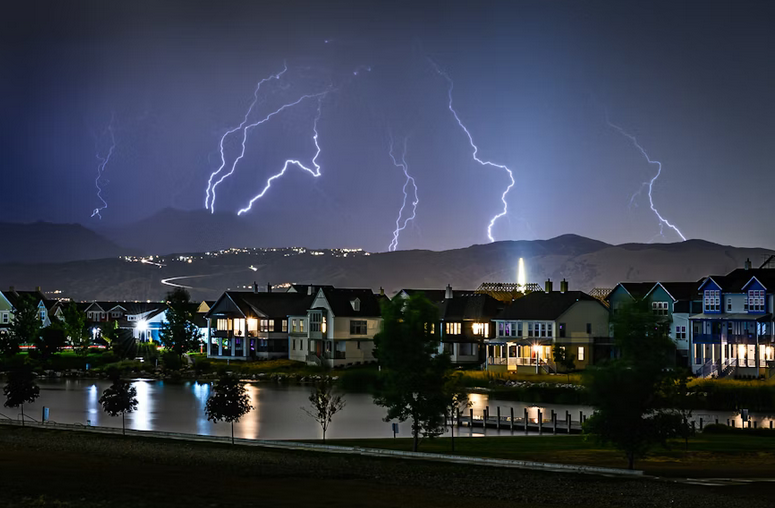
Extreme weather often includes strong winds and heavy rainfall. Airtightness measures in 7-star homes help limit unwanted air movement. Proper sealing around windows and doors prevents moisture intrusion. While structural integrity depends on engineering standards beyond energy ratings, the enhanced envelope contributes to durability. Reduced gaps limit water penetration driven by wind pressure. Storm resilience also benefits from careful window placement and shading structures. Well-designed eaves can deflect rain from exterior walls. Durable materials used to meet performance goals often provide additional resistance.
Energy Demand During Grid Stress
Extreme weather often strains energy infrastructure. Heatwaves increase cooling demand. Cold snaps drive heating consumption. Grid systems can become overloaded. 7-star homes reduce peak demand. Their efficiency lowers the intensity of heating and cooling requirements. This reduction supports broader energy resilience within communities. Lower operational demand also benefits homeowners financially. Utility costs during extreme events remain more controlled. Reduced system strain contributes to a more stable supply environment.
Indoor Air Quality and Comfort
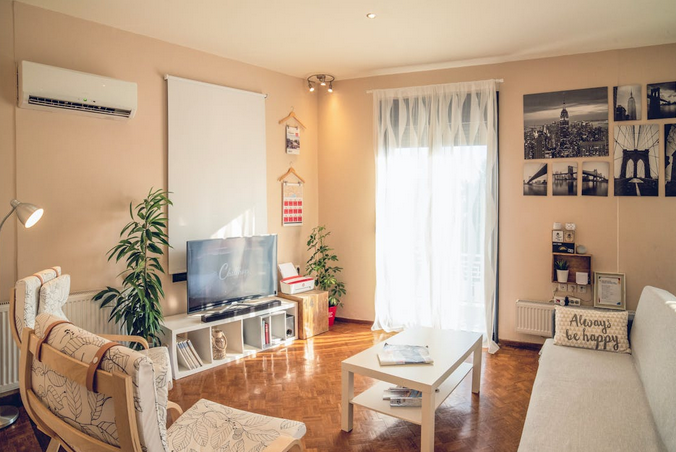
Extreme weather can trap occupants indoors for extended periods. Air quality becomes critical. Airtight construction in 7-star homes is often paired with controlled ventilation systems. Mechanical ventilation with heat recovery maintains fresh airflow while preserving temperature balance. This supports healthier indoor conditions during heatwaves or cold spells. Reduced drafts prevent cold spots in winter. Controlled solar gain limits overheating in summer. Comfort remains consistent across rooms.
Limitations and Realistic Expectations
While 7-star homes perform strongly, they are not invulnerable. Structural resilience against floods, bushfires, or cyclones depends on additional building standards. Energy ratings primarily address thermal performance. Extreme conditions beyond design assumptions can still impact internal comfort. Prolonged outages or unprecedented temperature spikes may require supplemental measures. However, compared to lower-rated properties, 7-star homes demonstrate improved baseline resilience. Their envelope design provides a buffer against environmental stress. Understanding these boundaries helps homeowners maintain realistic expectations while appreciating tangible benefits.
7-star homes are designed for efficiency, but their advantages extend into resilience, during heatwaves, insulation, and shading to moderate internal temperatures. In cold conditions, airtightness and thermal mass reduce heat loss. During storms, improved sealing limits moisture and air intrusion. Energy efficiency and climate adaptability intersect. As extreme weather events become more frequent, high-performance homes offer practical advantages. They provide stability when conditions fluctuate and reduce pressure on energy systems. While no building can eliminate all risks, thoughtful design improves preparedness. A 7-star home reflects careful planning that supports comfort, safety, and long-term sustainability under challenging environmental conditions.