
From Demolition to Dream Home: The Rise of Reclaimed Building
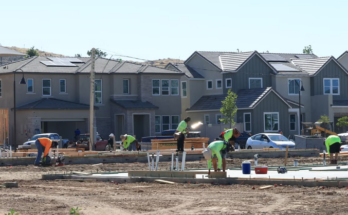
Not long ago, demolition usually meant sending tons of perfectly usable materials to the landfill. Today, that mindset is changing as homeowners, builders, and designers recognize the value hidden inside old buildings. From reclaimed wood and vintage bricks to recycled steel and restored fixtures, salvaged materials are finding new life in modern homes. Reclaimed building isn’t just about saving money—it’s about reducing waste, preserving history, and creating homes with unique character. As sustainability becomes a bigger priority, creative approaches to construction from bau-welt are quickly gaining popularity.
Giving Old Materials a Fresh Purpose
One of the biggest reasons reclaimed building has become so popular is its ability to breathe new life into materials that would otherwise be discarded. Old timber, reclaimed stone, and salvaged doors often have a level of craftsmanship that’s difficult to find in many newly manufactured products. Many homeowners exploring sustainable construction ideas browse resources for inspiration, discovering how reclaimed materials can blend seamlessly into modern architectural designs while maintaining their original charm. Instead of treating demolition as the end of a building’s story, reclaimed construction turns it into the beginning of something entirely new.
Sustainability Starts With Reuse
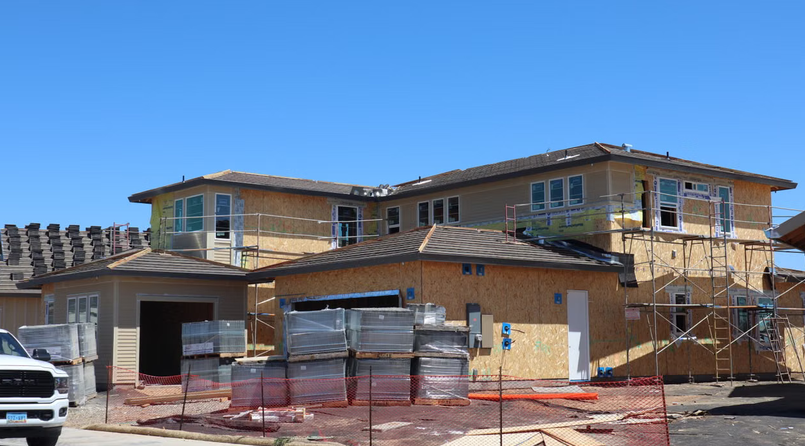
Every reused beam, brick, or flooring plank represents fewer raw materials being harvested and less waste ending up in landfills. Manufacturing new construction materials requires significant amounts of energy, water, and natural resources. By choosing reclaimed materials, builders can dramatically reduce the environmental footprint of a project. This approach supports the growing movement toward circular construction, where existing resources remain in use for as long as possible instead of being thrown away after a single purpose.
Character That New Materials Can’t Match
One of the most appealing aspects of reclaimed building materials is their distinctive appearance. Weathered wood, aged brick, and vintage metal fixtures often display textures, colors, and imperfections that add warmth and personality to a home. These unique details help create living spaces that feel authentic rather than mass-produced. Whether incorporated into rustic farmhouse designs or sleek contemporary interiors, reclaimed materials often become standout features that give a home lasting character.
Modern Technology Supports Traditional Materials
While reclaimed materials have a rich history, today’s technology makes them easier than ever to incorporate into new construction. Advanced cleaning, restoration, and testing processes ensure salvaged materials meet modern safety and performance standards. Builders can combine reclaimed elements with energy-efficient insulation, smart home technology, and durable structural systems to create homes that honor the past while meeting today’s expectations for comfort and efficiency.
Challenges Worth Overcoming
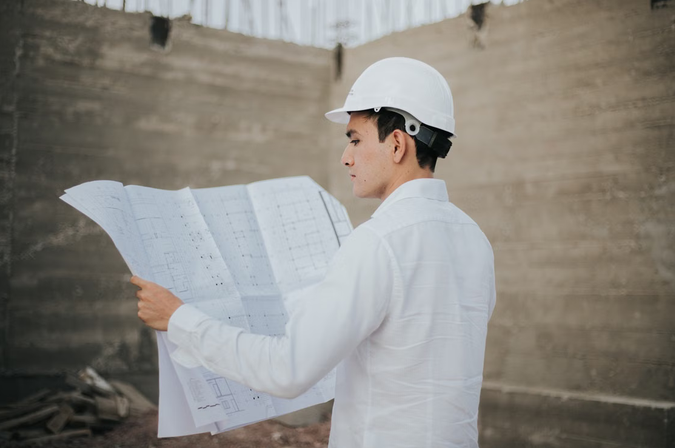
Working with reclaimed materials does require extra planning. Builders must carefully inspect salvaged items for structural integrity, pests, and damage before incorporating them into a project. Matching quantities and dimensions can also take more time than ordering brand-new materials. Despite these challenges, many homeowners find the additional effort worthwhile because the finished home reflects both environmental responsibility and exceptional craftsmanship that can’t easily be replicated with new materials alone.
The Future of Sustainable Homebuilding
As environmental awareness continues to grow, reclaimed building is expected to play an increasingly important role in residential construction. More demolition companies are salvaging usable materials, while architects are designing homes specifically to incorporate recycled components. This shift encourages thoughtful construction practices that reduce waste while creating beautiful, durable homes filled with history and individuality. What was once considered construction debris is now viewed as a valuable building resource.
The rise of reclaimed building is changing the way people think about home construction. By giving old materials a second life, builders can reduce waste, preserve valuable resources, and create homes with unmatched character and charm. As sustainable construction continues to evolve, reclaimed materials offer a practical and inspiring way to build beautiful homes that respect both the past and the future.…
From Demolition to Dream Home: The Rise of Reclaimed Building Read More






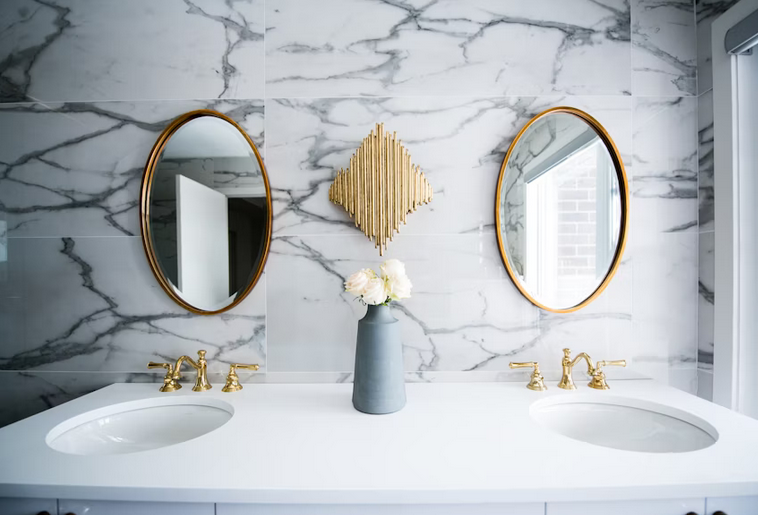
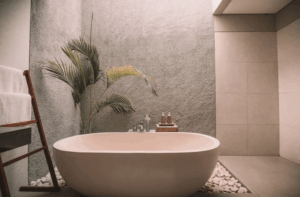 Nothing says indulgence like a freestanding bathtub. These tubs become a centerpiece and provide a sense of relaxation unmatched by built-in options. Materials such as stone, resin, or acrylic offer both comfort and durability. Paired with a floor-mounted faucet, a freestanding tub adds elegance and sophistication. Soaking in such a tub creates a retreat-like experience in the comfort of your home.



 Choosing off-peak moving days can significantly cut your costs. Weekends and holidays are popular times for moves. This demand often drives prices up. By selecting a weekday, especially in the middle of the month, you tap into lower rates. Many man and van services offer discounts during these quieter periods. Traffic is usually lighter on weekdays too. This means less time spent on the road, allowing for quicker transitions from one location to another.

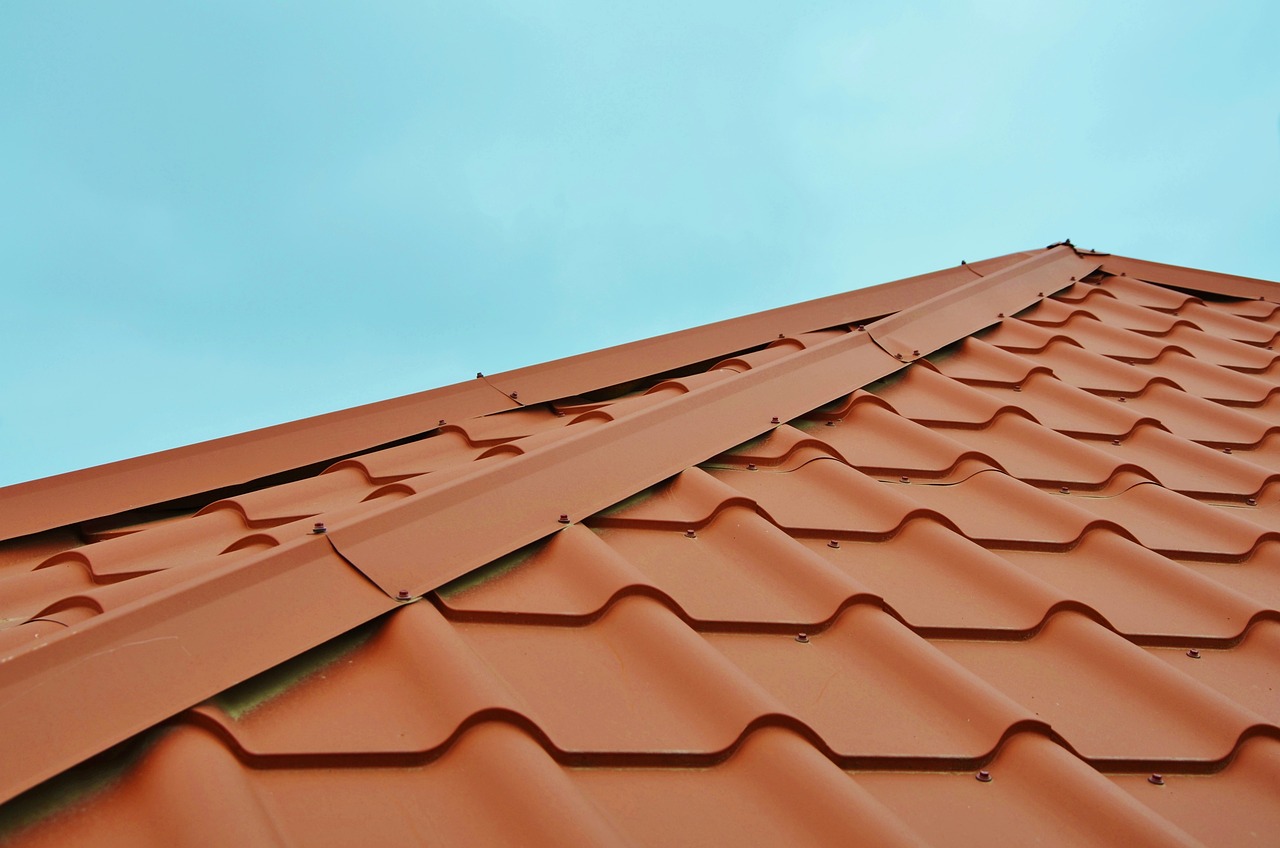
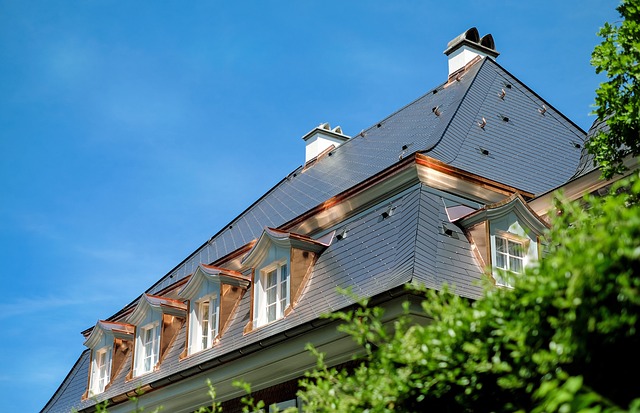

 As soon as it’s safe, head up to the roof or inspect from a distance. You may be wondering if it’s time for a





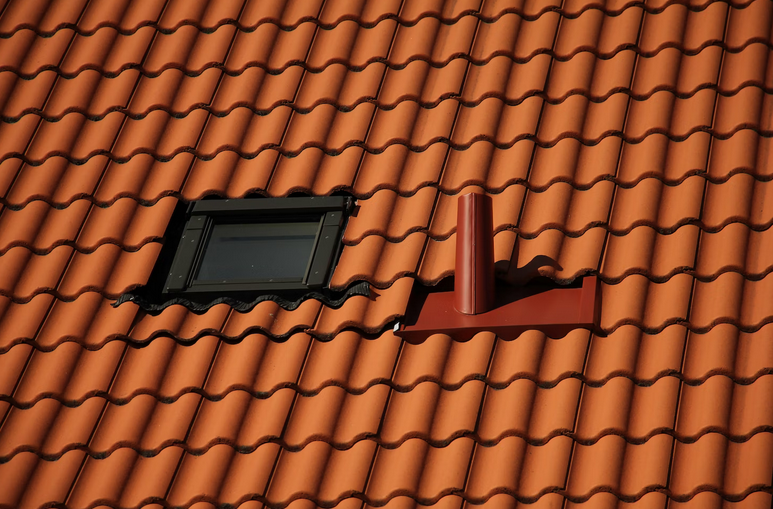

 Your budget plays a significant role in choosing the right roofing material. While some materials may have a lower initial cost, they may require more frequent repairs and replacements, potentially making them more expensive in the long run. Consider both upfront costs and long-term maintenance expenses.
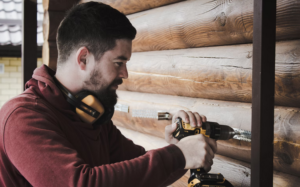 If you’re the crafty type who enjoys research and being hands-on with projects, then a DIY approach may be right for you. The main benefit is that it gives you full control over the project’s progress and direction. You’ll get to customize your tiny house exactly as you want it, from choosing the design to sourcing materials. In addition, you can save a lot of money by doing the build yourself since you won’t be paying for labor costs. However, this savings may be offset by the amount of time and energy it takes to complete such a complex task.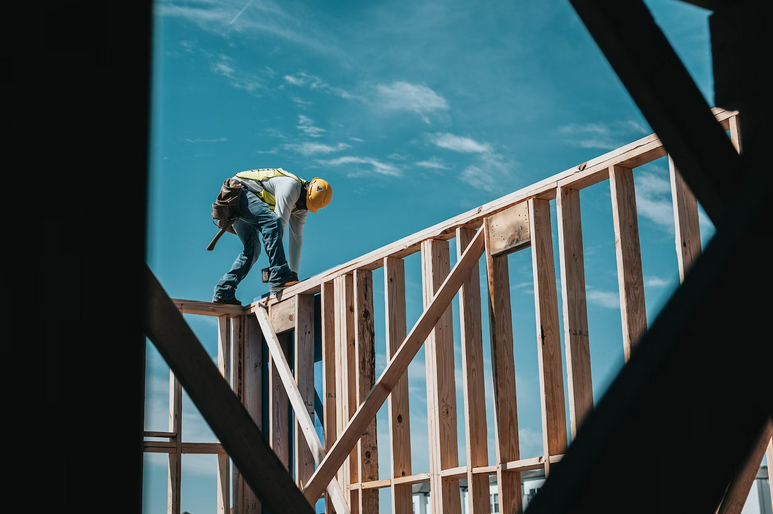

 Cost savings is one of the most significant advantages of buying a home rather than building one. You’ll save money on many fronts when you purchase an already-built house. First, you won’t have to pay for land acquisition costs or any other fees associated with building from scratch. This can be a considerable financial burden that can be avoided by purchasing an existing property. Another factor to consider is that unexpected expenses may arise when building a home during construction, which could rack up your bill significantly higher than initially planned. On the other hand, when buying a previously constructed house, there are no surprises regarding what you will spend. Moreover, homes built today come with better energy-efficient features like double-paned windows and insulation materials that help lower monthly utility bills.
 Designing a home can be an exciting yet challenging process. However, buying an existing home might offer a simpler and easier route for those who want to avoid the potential hassles of construction. All the design work has been done when you buy a ready-made house. You don’t have to worry about hiring architects or contractors; you need to find a place that fits your needs and budget. If you want to enhance its design, it is much easier than doing it from scratch. If you’re looking for simplicity in designing your dream home without having to go through any complications whatsoever, buying rather than building might be the perfect solution.

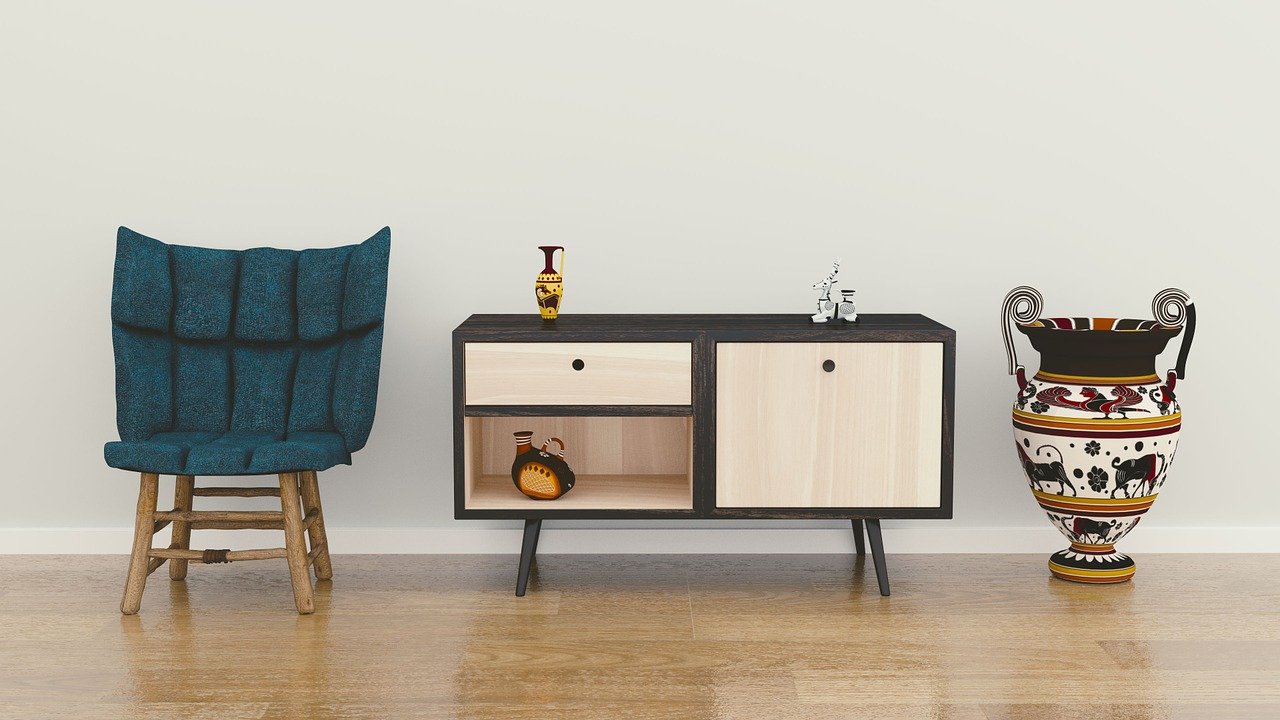
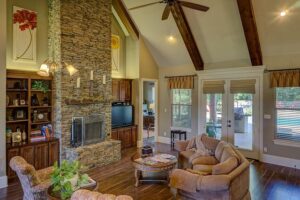 One of the first things you need to do when choosing furniture for your home is to determine your personal style. This will help you narrow down your choices and find pieces you love. If you are unsure what your style is, look at magazines or online sources for inspiration. Once you have an idea of what you like, it will be much easier to find furniture that fits your style. Determining your style can also help you decide what type of furniture to buy.
 Another important factor to consider when choosing furniture for your home is your needs. It would be best if you thought about how you will use the furniture and what it will be used for. For example, if you are looking for a dining room table, you will need to consider how many people you will need to seat and what size table you need. Once you have an idea of your needs, you can start looking for furniture that meets those needs.
 Lastly, when choosing furniture for your home, it is essential to consider the available space. You don’t want to choose pieces that are too large or too small for your space. It would be best if you also thought about how the furniture will be arranged in the room. This can help you determine what pieces you need and how many of each piece you should get. Some even measure out the space before they start shopping to ensure they don’t buy too much furniture.
 One of the most common tree diseases is called anthracnose. This disease affects many trees, including maple, oak, and elm. Anthracnose usually appears as small, dark spots on the leaves of the affected tree. These spots eventually grow and merge, causing the leaves to turn yellow or brown and eventually fall off. If you think your tree has anthracnose, then the first thing you should do is contact a certified arborist. They will be able to diagnose the problem and recommend a course of treatment properly.
 Lastly, another common tree disease is called diplopia tip blight. These infections usually appear on trees that have experienced stress, such as drought or injury. The symptoms include browning and dying of the tips of branches and cankers on the trunk and branches. If you think your tree has diplodia tip blight, then you need to use a fungicide as soon as possible. Be sure to follow the directions on the label and apply it at the correct time of year.