From Demolition to Dream Home: The Rise of Reclaimed Building
Not long ago, demolition usually meant sending tons of perfectly usable materials to the landfill. Today, that mindset is changing as homeowners, builders, and designers recognize the value hidden inside old buildings. From reclaimed wood and vintage bricks to recycled steel and restored fixtures, salvaged materials are finding new life in modern homes. Reclaimed building isn’t just about saving money—it’s about reducing waste, preserving history, and creating homes with unique character. As sustainability becomes a bigger priority, creative approaches to construction from bau-welt are quickly gaining popularity.
Giving Old Materials a Fresh Purpose
One of the biggest reasons reclaimed building has become so popular is its ability to breathe new life into materials that would otherwise be discarded. Old timber, reclaimed stone, and salvaged doors often have a level of craftsmanship that’s difficult to find in many newly manufactured products. Many homeowners exploring sustainable construction ideas browse resources for inspiration, discovering how reclaimed materials can blend seamlessly into modern architectural designs while maintaining their original charm. Instead of treating demolition as the end of a building’s story, reclaimed construction turns it into the beginning of something entirely new.
Sustainability Starts With Reuse
Every reused beam, brick, or flooring plank represents fewer raw materials being harvested and less waste ending up in landfills. Manufacturing new construction materials requires significant amounts of energy, water, and natural resources. By choosing reclaimed materials, builders can dramatically reduce the environmental footprint of a project. This approach supports the growing movement toward circular construction, where existing resources remain in use for as long as possible instead of being thrown away after a single purpose.
Character That New Materials Can’t Match
One of the most appealing aspects of reclaimed building materials is their distinctive appearance. Weathered wood, aged brick, and vintage metal fixtures often display textures, colors, and imperfections that add warmth and personality to a home. These unique details help create living spaces that feel authentic rather than mass-produced. Whether incorporated into rustic farmhouse designs or sleek contemporary interiors, reclaimed materials often become standout features that give a home lasting character.
Modern Technology Supports Traditional Materials
While reclaimed materials have a rich history, today’s technology makes them easier than ever to incorporate into new construction. Advanced cleaning, restoration, and testing processes ensure salvaged materials meet modern safety and performance standards. Builders can combine reclaimed elements with energy-efficient insulation, smart home technology, and durable structural systems to create homes that honor the past while meeting today’s expectations for comfort and efficiency.
Challenges Worth Overcoming
Working with reclaimed materials does require extra planning. Builders must carefully inspect salvaged items for structural integrity, pests, and damage before incorporating them into a project. Matching quantities and dimensions can also take more time than ordering brand-new materials. Despite these challenges, many homeowners find the additional effort worthwhile because the finished home reflects both environmental responsibility and exceptional craftsmanship that can’t easily be replicated with new materials alone.
The Future of Sustainable Homebuilding
As environmental awareness continues to grow, reclaimed building is expected to play an increasingly important role in residential construction. More demolition companies are salvaging usable materials, while architects are designing homes specifically to incorporate recycled components. This shift encourages thoughtful construction practices that reduce waste while creating beautiful, durable homes filled with history and individuality. What was once considered construction debris is now viewed as a valuable building resource.
The rise of reclaimed building is changing the way people think about home construction. By giving old materials a second life, builders can reduce waste, preserve valuable resources, and create homes with unmatched character and charm. As sustainable construction continues to evolve, reclaimed materials offer a practical and inspiring way to build beautiful homes that respect both the past and the future.…
From Demolition to Dream Home: The Rise of Reclaimed Building Read More
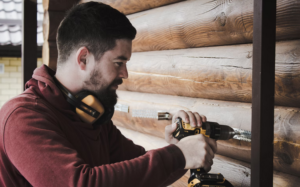 If you’re the crafty type who enjoys research and being hands-on with projects, then a DIY approach may be right for you. The main benefit is that it gives you full control over the project’s progress and direction. You’ll get to customize your tiny house exactly as you want it, from choosing the design to sourcing materials. In addition, you can save a lot of money by doing the build yourself since you won’t be paying for labor costs. However, this savings may be offset by the amount of time and energy it takes to complete such a complex task.