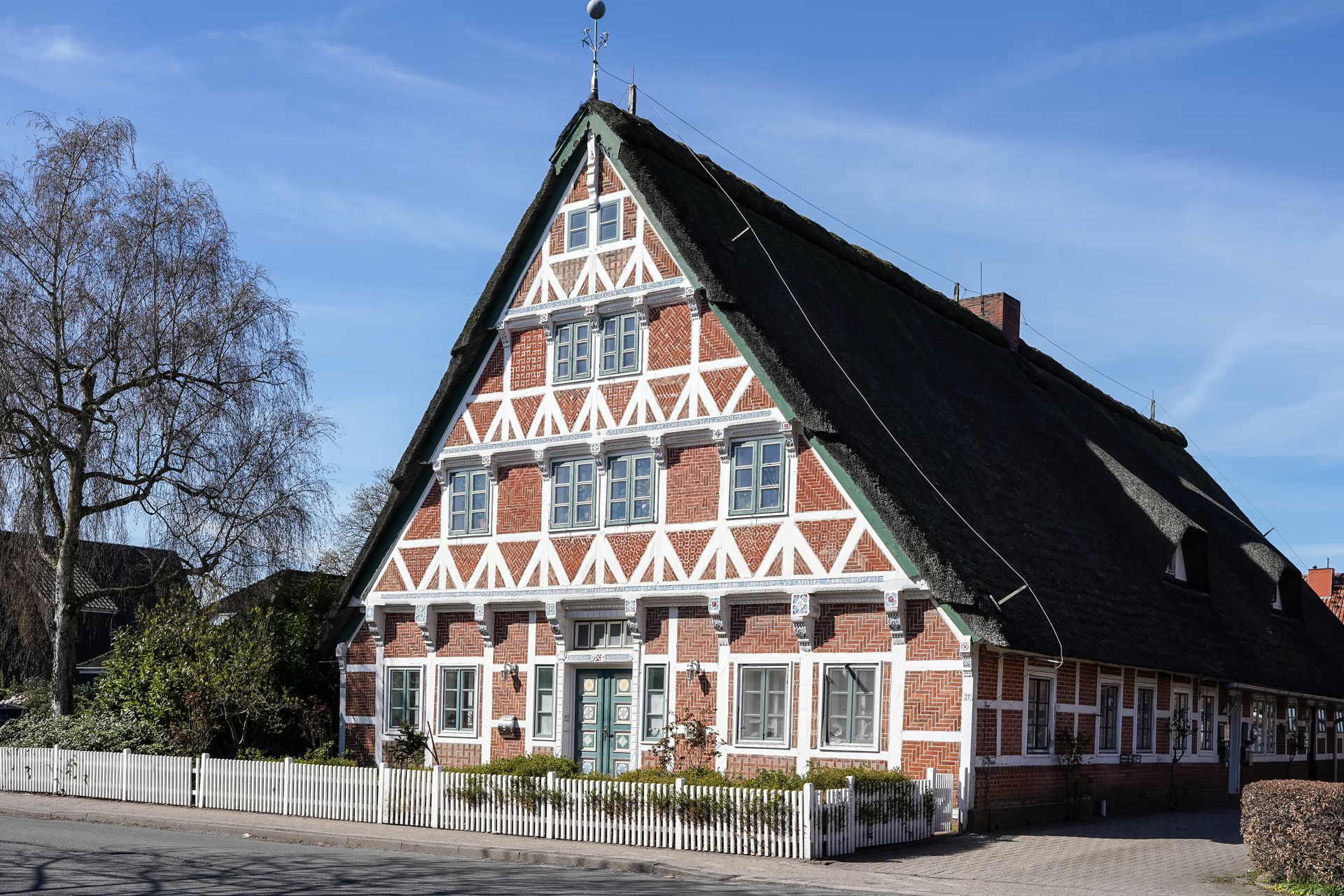
Germany’s most livable homes succeed because they balance comfort, efficiency, and timeless design instead of chasing short-lived trends. Discussions highlighted by Berliner Zeitung show how existing buildings and thoughtful planning continue to shape better neighborhoods without sacrificing character. That philosophy goes beyond architecture. It creates homes that quietly work harder for the people living inside them. But what really makes German homes so livable? What can we learn from the design philosophy? Let’s find out.
Every Square Foot Has a Purpose
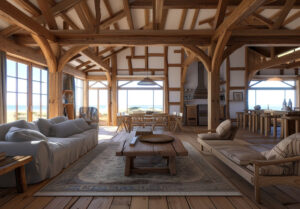
Walk into many German homes, and you’ll notice something missing: wasted space. Hallways rarely stretch longer than needed, and oversized rooms are uncommon. Every area serves a practical function while still feeling comfortable. It’s a reminder that bigger isn’t always better. That mindset changes how people furnish their homes. Instead of filling empty corners with random décor, each piece earns its place. A dining table becomes a workspace during the day. Built-in storage keeps clutter from taking over. The result feels calm instead of crowded, almost like the house is taking a deep breath.
Natural Light Does the Heavy Lifting
Sunlight has a remarkable way of making ordinary rooms feel inviting. German residential design often embraces large windows and thoughtful placement to maximize daylight throughout the year. Bright interiors reduce the need for artificial lighting during daytime hours. They also create a stronger connection with outdoor spaces. Window placement matters just as much as window size. Rooms are arranged to let light travel farther into the home instead of stopping at the front door. Even compact apartments can feel surprisingly open because brightness reaches every corner.
Efficiency Is Built Into Everyday Living
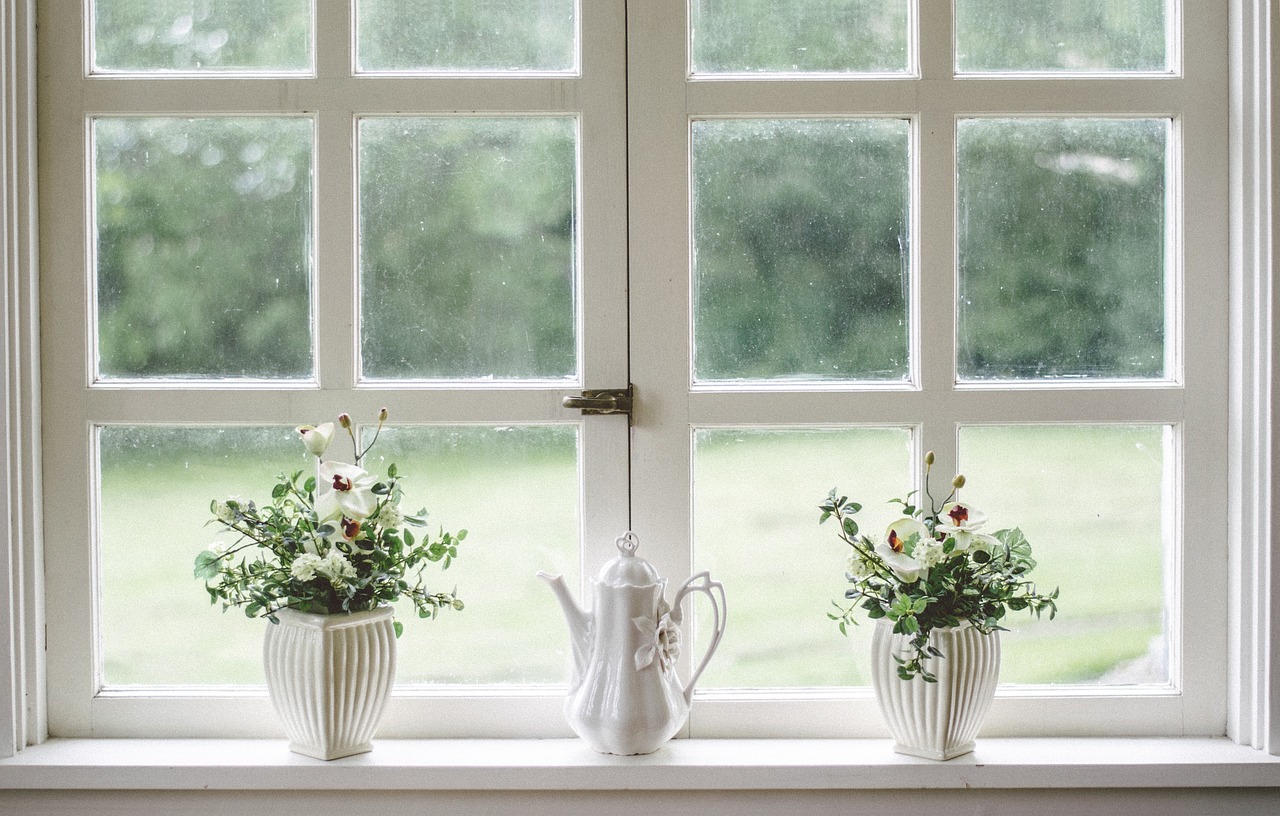
Comfort doesn’t always come from expensive furniture or fancy gadgets. Good insulation, quality windows, and practical heating systems often make a bigger difference. These elements help maintain stable indoor temperatures while reducing energy waste. That’s good news for both homeowners and monthly utility bills. Storage also reflects this practical approach. Hidden cabinets, wall-mounted shelves, and multipurpose furniture reduce visual clutter without shrinking usable space. Anyone who has spent ten minutes hunting for lost keys knows how valuable smart storage can be.
Neighborhood Design Shapes Better Homes
A comfortable home doesn’t stop at the front door. Many German neighborhoods place homes within walking distance of parks, public transportation, schools, and local shops. Daily errands become shorter, and communities naturally feel more connected. That convenience becomes part of everyday quality of life. Outdoor areas also receive thoughtful attention. Shared gardens, pedestrian-friendly streets, and small gathering spaces encourage neighbors to spend time outside. Children have room to play while adults enjoy casual conversations close to home.
Timeless Design Ages Better Than Trends
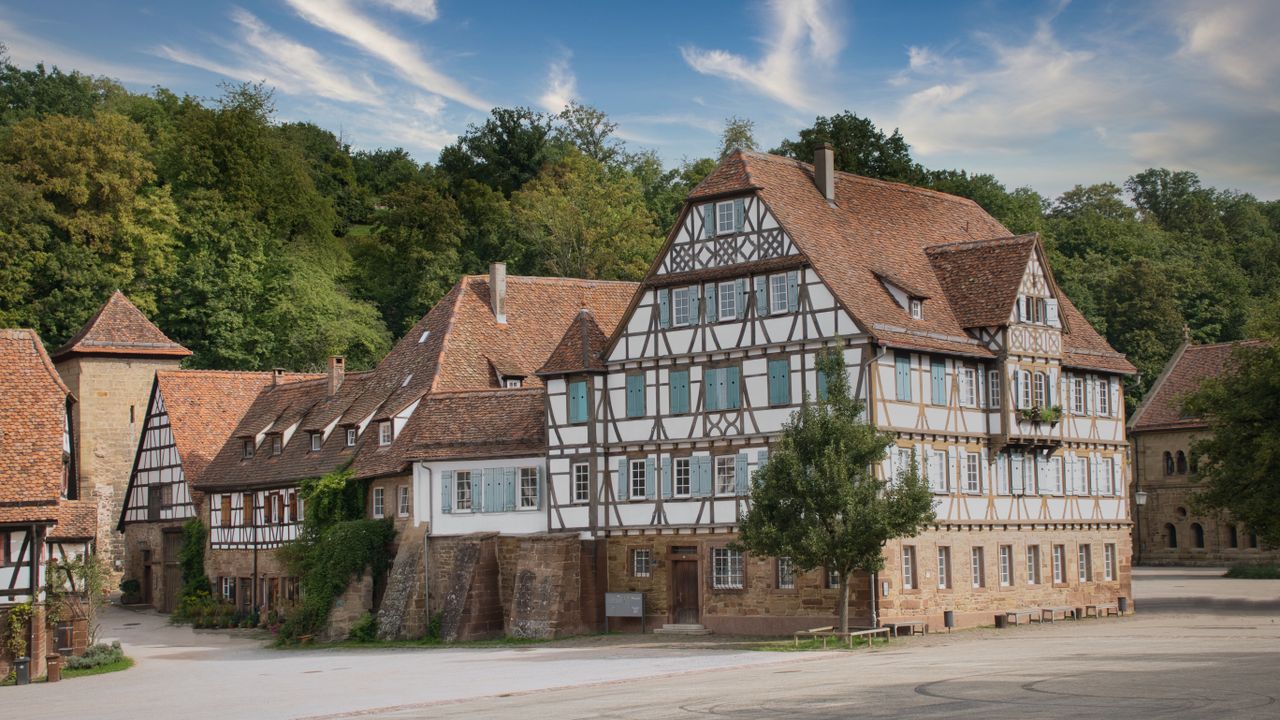
Some decorating trends burn brightly and disappear just as quickly. German homes often lean toward simple finishes, durable materials, and neutral colors that remain attractive year after year. This approach makes future updates easier because the foundation stays versatile. Perhaps the biggest lesson is that a successful home doesn’t need to shout for attention. Comfort grows from thoughtful planning, practical decisions, and spaces that support daily routines. Those qualities rarely go out of style. Like a favorite pair of well-worn shoes, the best homes simply feel right every time you walk through the door.