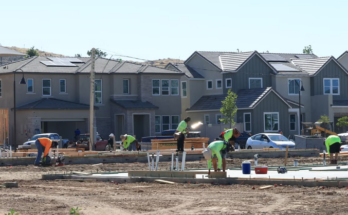

Purchasing or building a home is one of the most significant investments a person can make. While most buyers focus on location, size, and design, the contract governing the transaction often determines the project’s actual outcome. Contracts outline responsibilities, timelines, costs, and obligations, and overlooking critical clauses can lead to unexpected expenses, construction delays, or even legal disputes. Many buyers assume standard agreements are sufficient, but ambiguities in wording or missing provisions can create major problems. By carefully reviewing key sections, documenting communications, and asking for clarifications before signing, homeowners can protect themselves.
Scope of Work

The scope of work clause defines exactly what the builder or seller is responsible for delivering. Ambiguous phrases like “move-in ready” or “finished interiors” can be a source of confusion if left undefined. For instance, does “finished” mean basic painting or high-end finishes? Does it include lighting fixtures, flooring, or kitchen appliances? Homebuyers should ask for every component of the project to be clearly listed. Including illustrations, material specifications, and brands can reduce disagreements and make sure that expectations align with reality. A well-defined scope of work is not just about quality—it directly affects cost management, as unclear descriptions often lead to last-minute upgrades and expensive add-ons.
Payment Schedule and Terms
The payment schedule and terms clause specify how and when payments are due. Linking payments to completed milestones protects buyers from paying upfront for work that has not yet been completed, especially when the final costs are bigger than the initial numbers. Fortunately, you can read more insights about the case here at News.de to know what to do to avoid making mistakes. As an example, dividing payments into stages such as foundation completion, structural work, and finishing ensures accountability. Homebuyers should also check whether the contract allows withholding the final payment until all work meets agreed standards. Additionally, including penalties for delayed completion or substandard work creates leverage for the buyer. A clear payment structure can prevent financial strain and make it easier to track budget adherence throughout the construction process.
Change Orders

Change orders govern how alterations to the original plan are handled, which is crucial because projects rarely go exactly as planned. Without this clause, verbal agreements can become disputes over responsibility and costs. Even minor adjustments, like moving a wall or altering a window style, should be documented with cost estimates and approval processes in writing. This ensures both parties are accountable for modifications and prevents misunderstandings about who covers additional expenses. Change orders also allow homeowners to control project costs, avoid impulsive decisions, and plan adjustments without disrupting the overall schedule. Clear change order procedures contribute to a smoother and more predictable construction process.
Warranty and Defect Liability
The warranty and defect liability clause ensures that the builder addresses problems such as faulty artistry, defective materials, or incomplete installations. This section should clearly specify the duration of coverage, what is included, and the process for reporting issues. For example, warranties might cover roof leaks, plumbing faults, or structural deficiencies for years. Homebuyers should request documentation for all warranties and keep records of maintenance and inspections. A comprehensive warranty protects homeowners from unexpected expenses and guarantees that the property maintains its value and safety. Without this clause, resolving post-construction problems can become time-consuming and costly.
Termination and Dispute Resolution

The termination and dispute resolution clause outlines the circumstances under which either party can end the contract and the procedures for resolving conflicts. Methods may include mediation, arbitration, or court proceedings. Clearly defined terms reduce the risk of prolonged disputes and help avoid costly legal battles. Homebuyers should look for clauses specifying notice periods, conditions for termination, and the steps required to settle disagreements. This section provides a framework for addressing conflicts calmly and systematically, keeping the project on track while protecting financial and legal interests. Knowing these processes in advance helps buyers feel more confident and reduces stress during construction.
Understanding these five critical contract clauses—scope of work, payment schedule, change orders, warranty and defect liability, and termination and dispute resolution—is essential for any homebuyer. Each clause protects the buyer from potential pitfalls, ensures accountability, and provides clear procedures for addressing issues. Paying attention to details, requesting clarifications, and documenting communications can prevent unforeseen costs, delays, and legal complications. Homeowners who focus on these clauses often experience smoother transactions, better budget control, and fewer post-construction surprises. Investing time in understanding and negotiating these contract sections can make the home-buying or building process more predictable, secure, and ultimately satisfying.